Why is my heat pump blowing cold air?
Usually nothing is wrong: the heat pump is defrosting, or the air is warm but not as hot as furnace air. If cold air lasts longer than about 15 minutes, work through these seven causes, which run from free fixes to expensive ones.
- A normal defrost cycle
- Heat pump air that is warm, not hot
- A thermostat setting
- A dirty filter or blocked outdoor coil
- Low refrigerant from a leak
- A failed defrost control or stuck reversing valve
- Backup heat strips that have failed or lost their breaker
Is it just the defrost cycle?
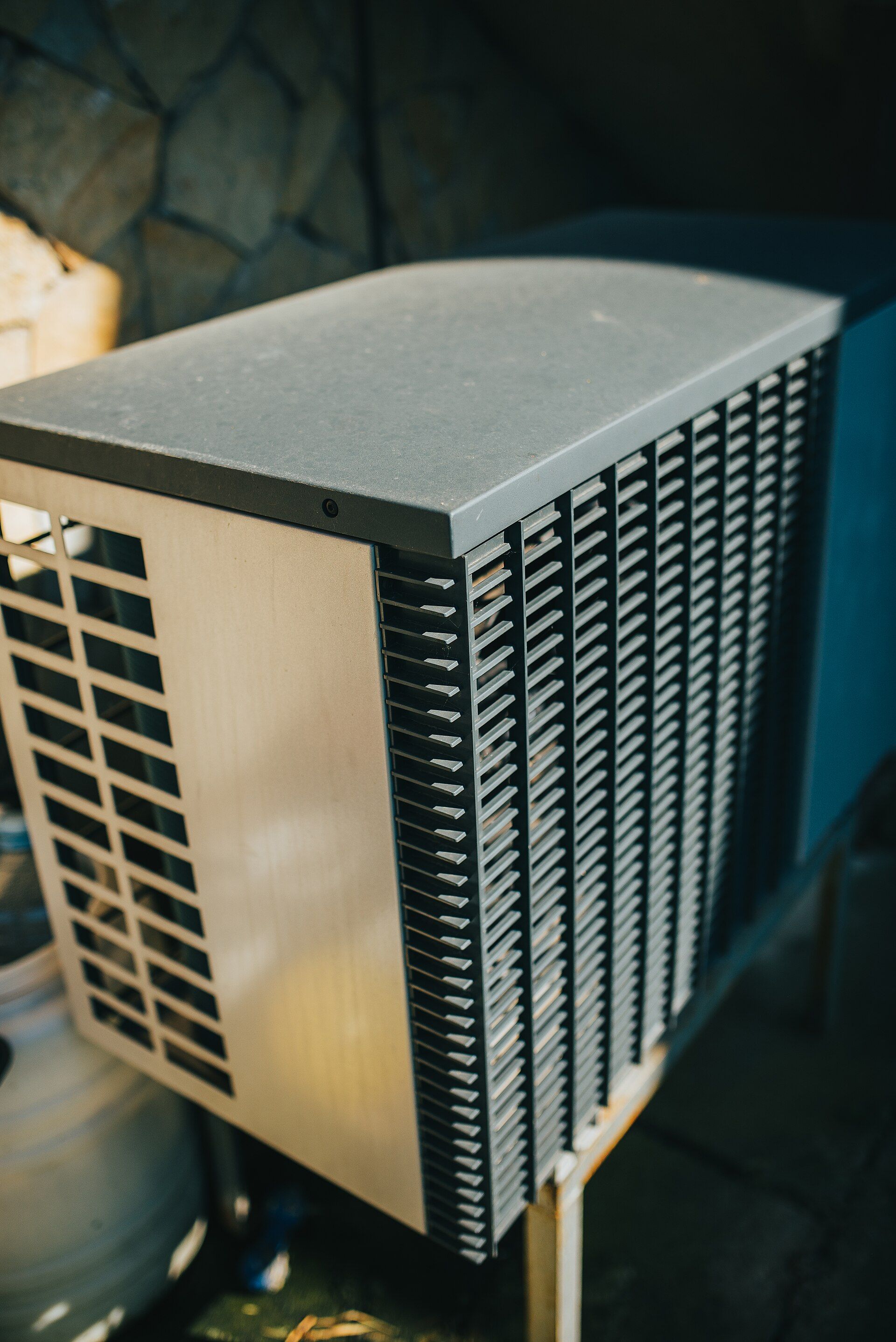
Probably, if the cold air stops after a few minutes and the outdoor unit is steaming. In winter the outdoor coil collects frost, and the heat pump clears it by briefly running in cooling mode, which warms the outdoor coil and cools the air inside.
During defrost the outdoor fan stops, you may hear a whoosh as the valve switches, and the unit can give off steam. Most systems bring on the backup heat during defrost so the vents stay warm; if yours doesn’t, you’ll feel a few minutes of cool air. Both are normal.
Seneca’s January low averages about 32°F, and the lakes keep morning air damp. Frosty, humid mornings near freezing are prime defrost weather, so a heat pump here may defrost several times before breakfast and hardly at all on a dry afternoon.
Is the air cold, or just not as hot as a furnace?
A heat pump’s air is warm, not hot. It is noticeably cooler than gas furnace air, and moving air at that temperature can feel cool on your hand even while it heats the house.
Judge the house, not the vent: if the thermostat reaches its setting and holds it, the heat pump is working. Long run times on a cold day are normal too.
Which thermostat settings cause cold air?
Three do it: the system set to Cool or Off, the fan set to On instead of Auto, or a new thermostat set up for the wrong kind of heat pump.
- Mode. Check that it says Heat and the setpoint is above room temperature.
- Fan On. The blower keeps running between heating cycles and pushes room-temperature air through the vents, which feels cold. Set it to Auto.
- A new thermostat. Heat pump thermostats have an O/B setting that tells the reversing valve which way is heat. Most brands use O; a few, such as Rheem and Ruud, use B. Get it wrong and the heat pump cools when you ask for heat.
A wrong setting costs nothing to fix. A new thermostat, if yours has failed, runs $150–$350 installed.
Can a dirty filter or outdoor coil cause cold air?
Yes. A clogged filter starves the system of air, and an outdoor coil packed with leaves, pine straw or snow can’t pull heat from outside, so output drops and a safety switch may shut the system down.
Change the filter if you can’t see light through it; every 1 to 3 months is the usual rule. Clear leaves and snow from around the outdoor unit and keep shrubs trimmed back. Cleaning the coil itself is part of a heat pump tune-up, which runs $90–$200.
What does low refrigerant do in heat mode?
The heat pump moves less heat, so the air comes out lukewarm and the outdoor coil may ice up more than usual. Refrigerant isn’t used up, so low refrigerant means a leak.
A technician finds the leak ($200–$500), repairs it ($300–$1,500, refrigerant extra) and recharges the system ($200–$650 for a typical top-up). R-410A now costs $60–$110 a pound installed and R-22 costs $125–$250 a pound, so a big leak on an aging system is the time to weigh repair or replace.
What if it’s stuck in cooling mode?
If the air stays cold for a long time while the outdoor unit runs, the defrost control may have failed or the reversing valve may not be shifting.
- Defrost board or sensor. The defrost control decides when to start and stop defrosting. When it fails, the heat pump either stays in defrost and blows cold, or never defrosts and the outdoor coil turns into a block of ice. A defrost board runs $250–$650.
- Reversing valve. This valve switches the heat pump between heating and cooling. If it sticks in the cooling position, the system blows cold all the time. Sometimes only the electric coil on the valve has failed, a smaller job. Replacing the valve costs $900–$2,200, because the refrigerant has to be recovered and the new valve brazed in.
Did the backup heat fail?
If cold air shows up mainly during defrost and on the coldest mornings, the backup heat strips may have failed or their breaker may have tripped. Many Upstate heat pumps rely on electric strips in the indoor air handler to fill those gaps.
The strips usually have their own breaker in the main panel, often labeled “air handler” or “heat strips”. Reset it once. If it trips again, leave it off and call: a breaker that keeps tripping is protecting something. Our guide to aux heat vs emergency heat explains how the backup works.
What can you safely check yourself?
The thermostat, filter, breakers and the area around the outdoor unit are safe to check. Anything behind a panel is not.
Safe to check: thermostat mode, setpoint and fan setting; the filter; the outdoor unit and air handler breakers, reset once; leaves and snow around the outdoor unit.
Leave for a technician: refrigerant, which takes EPA certification to handle; anything inside the electrical panels, including capacitors, which hold a charge with the power off; and ice on the coil, because chipping it bends fins and can puncture tubing.
When should you call a technician?
Call when cold air lasts more than 15 to 20 minutes, the outdoor unit is iced solid, a breaker trips twice, or the house is losing temperature.
A diagnostic visit is $75–$150 during business hours (evening and weekend calls, where offered, run $150–$300), and a typical not-heating repair runs $150–$650 on top. Many contractors credit the diagnostic fee toward the repair, so ask. If the outdoor unit has stopped, emergency heat keeps the house warm until the visit.
See how heat pump repair in Seneca works, or get a ballpark price and a licensed local HVAC contractor will call you back.