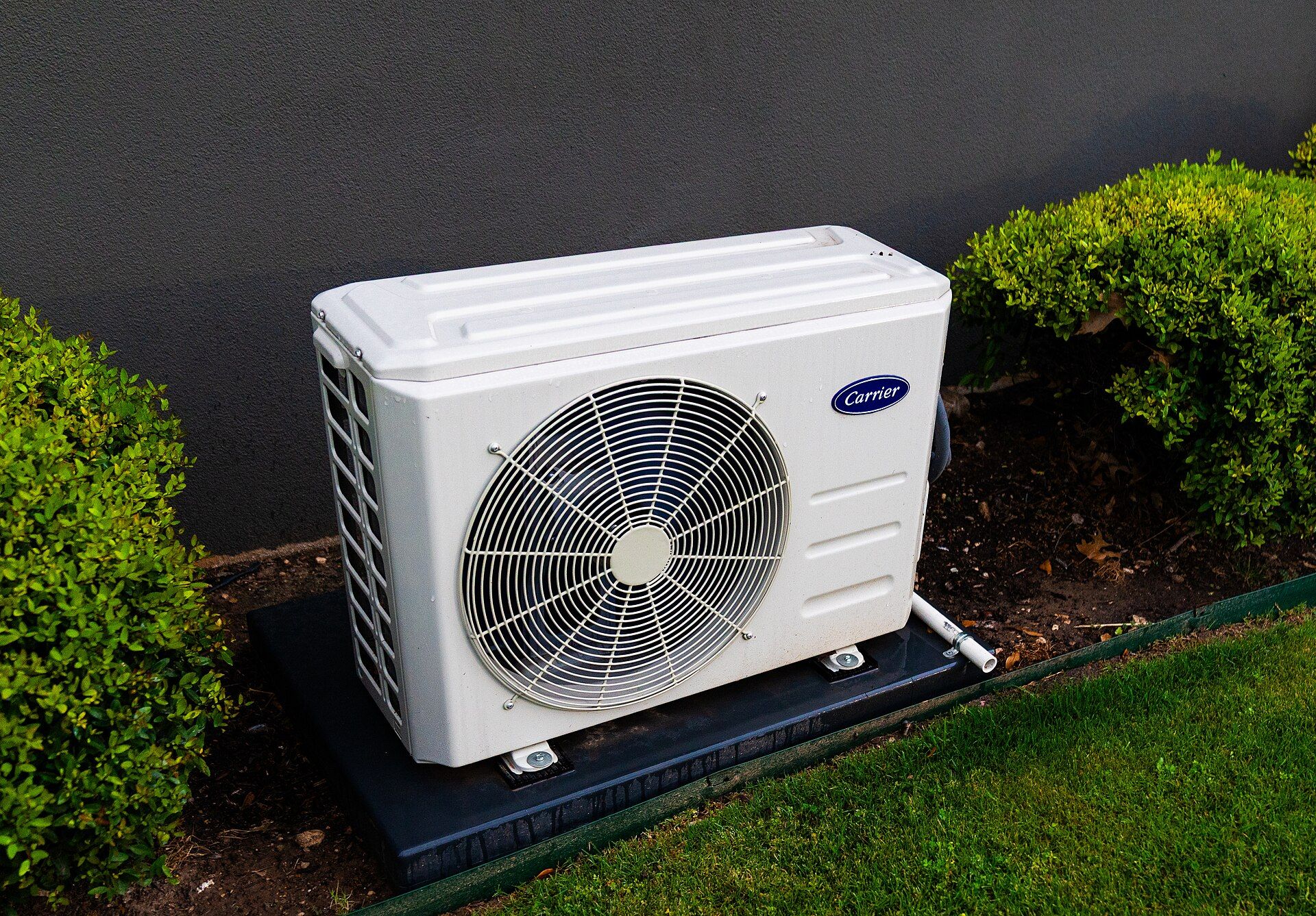
How much does a mini-split cost in SC?
A one-room ductless mini-split typically costs $3,000–$6,000 installed in the Upstate. Each added room adds about $2,000–$3,000.
| Rooms (indoor heads) | Typical installed price |
|---|---|
| 1 room | $3,000–$6,000 |
| 2 rooms | $5,000–$9,500 |
| 3 rooms | $7,000–$12,500 |
| 4 rooms | $9,000–$15,500 |
| Each room after that | $2,000–$3,000 more |
These are typical ranges as of October 2026, not quotes. Past four rooms, a second outdoor unit is common. A mini-split is a heat pump, so it heats as well as cools, and it needs no ductwork: each room gets its own indoor head, connected to an outdoor unit by a small bundle of lines through the wall.
What makes a mini-split cost more?
The number of rooms comes first. After that, the length of the line set, the electrical work, the type of indoor head and the efficiency rating move the price most.
- Line set. Copper refrigerant lines, a drain and a control cable run from the outdoor unit to each head. A short run straight through an outside wall is the cheapest; long runs through an attic or crawlspace, or hidden inside walls, take more material and labor. A cover for the lines on the outside wall adds a little.
- Electrical. The outdoor unit needs its own circuit and a disconnect. A full or older panel may need a subpanel or an upgrade, which is priced separately.
- Type of head. Wall-mounted heads cost least. Ceiling cassettes, floor consoles and small concealed ducted units cost more and take longer to install.
- One outdoor unit or several. A multi-zone outdoor unit runs several heads from one box. Separate single-zone systems cost more in total, but each room runs on its own, and single-zone units often carry higher efficiency ratings.
- Efficiency. Higher SEER2 and HSPF2 ratings cost more up front. Duke Energy’s mini-split rebate needs 18 SEER2 or more.
- Drainage. Where water can’t drain by gravity, a condensate pump adds $150–$450.
What does a mini-split cost for a garage or bonus room?
Both are usually one-head jobs in the $3,000–$6,000 range. The size of the unit depends more on insulation than on floor area.
- Garage or workshop. A garage with an uninsulated roll-up door and no ceiling insulation needs far more capacity than its square footage suggests. Insulating the door and ceiling first often lets a smaller, cheaper unit do the job.
- Bonus room over the garage. These are the rooms a central system struggles with: hot in July, cold in January. A mini-split heats and cools the room on its own, without enlarging the main system or adding duct runs.
- Additions, sunrooms and finished basements. The same logic applies: one head, no new ductwork.
Can you get a Duke rebate on a mini-split?
Possibly. Duke Energy’s published conditions for a mini-split rebate are 18 SEER2 or higher and at least 1,000 square feet served; confirm the current rules on duke-energy.com before you buy.
The square-footage condition rules out most one-room garage or bonus-room jobs. As with Duke’s other rebates, a participating contractor must submit it within 60 days. The federal 25C tax credit, which used to cover efficient mini-splits, ended for equipment placed in service after December 31, 2025. The full picture is in SC HVAC rebates and tax credits.
Can you install a mini-split yourself?
Not the refrigerant work. Connecting, vacuuming and charging a standard mini-split’s refrigerant lines requires EPA Section 608 certification, and a DIY install puts the warranty and any rebate at risk.
- Pre-charged DIY kits with quick-connect lines exist so owners can skip the vacuum and charge. They come in fixed line lengths, and a leaking connection is yours to find.
- Many manufacturers cover parts only when a licensed contractor installs the system. Read the warranty before you buy.
- Duke’s rebate needs a participating contractor to submit it.
- The new circuit and disconnect are a job for a licensed electrician or the HVAC contractor.
How do you look after a mini-split?
Clean the indoor filters as often as the manual says, which can mean every few weeks in heavy use, keep the outdoor unit clear, and have the system professionally cleaned and checked about once a year. With that care, a mini-split lasts about 12 to 15 years.
- Safe to do yourself: with the power off, lift the front panel and rinse or vacuum the mesh filters, wipe the vanes, clear leaves and grass from around the outdoor unit, and make sure the drain line outside isn’t blocked.
- Leave to a technician: cleaning the indoor coil and blower wheel, refrigerant checks and anything electrical. In a humid South Carolina summer the blower wheel in a wall head can collect mold, and a deep clean means taking the head apart.
A tune-up visit typically costs $90–$200; see HVAC maintenance and tune-ups.
How do you get a mini-split priced for your house?
Count the rooms you want to heat and cool, then choose “A mini-split” and the number of rooms in the estimator for a ballpark. The contractor confirms the price after seeing the walls, the panel and where the outdoor unit can go.
See ductless mini-split installation in Seneca, or get a ballpark for a mini-split and we’ll pass your request to a licensed local contractor.