Mini-splitsin Seneca
A one-room mini-split in Seneca runs $3,000–$6,000 installed, and each added room adds about $2,000–$3,000.
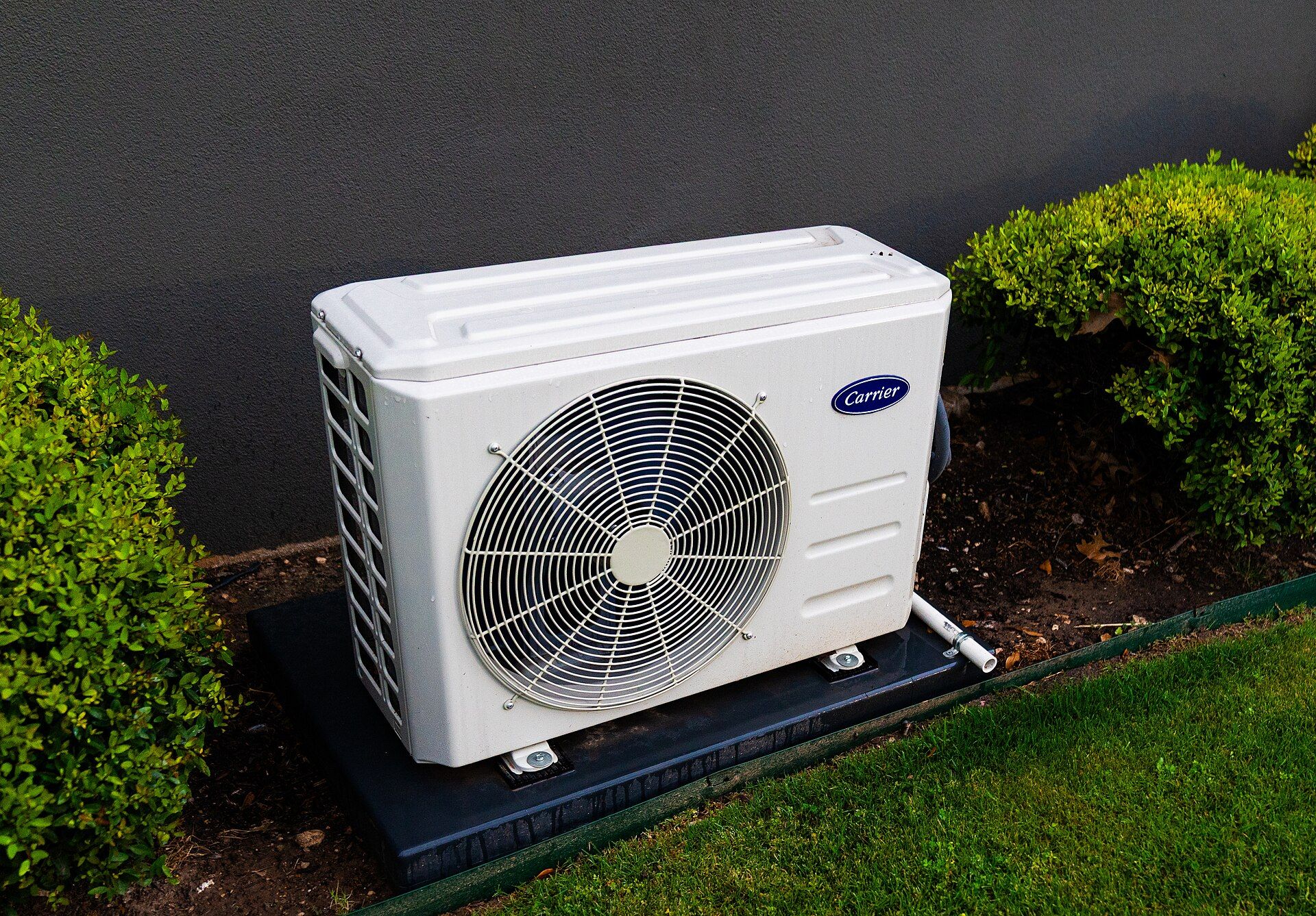
A mini-split is a small heat pump without ducts: an outdoor unit, a refrigerant line and a head on the wall of each room. It heats and cools the rooms central air can't reach.
Where does a mini-split make sense in a Seneca home?
Anywhere the central system can’t reach or was never built: bonus rooms, garages, additions, lake house sunrooms, older homes without ducts, and manufactured homes.
- Bonus rooms over the garage. Long duct runs through a hot attic make them the warmest rooms in the house every July.
- Garages and workshops. A mini-split heats and cools the space without tying it into the house’s ducts.
- Additions and enclosed porches. Extending old ductwork rarely gets enough air to a new room.
- Lake house sunrooms. Glass-walled rooms on Keowee and Hartwell gain heat fast in summer and lose it fast in winter.
- Older homes without ducts. Houses heated by baseboard, a wall unit or a fireplace can get efficient heating and cooling, room by room.
- Manufactured homes. A head in the far bedroom or an added room takes load off a tired central system.
Should you choose a single-zone or multi-zone system?
One room needs a single-zone system: one outdoor unit and one indoor head. For two to four rooms, a multi-zone outdoor unit can run several heads, or each room can have its own single-zone system.
| Rooms | Typical installed price |
|---|---|
| One | $3,000–$6,000 |
| Two | $5,000–$9,500 |
| Three | $7,000–$12,500 |
| Four | $9,000–$15,500 |
A multi-zone system needs only one outdoor unit and one outdoor circuit. Separate single-zone systems take more room outside, but each runs on its own, so one failure doesn’t shut down every room.
Each head should be sized to its room. An oversized head short-cycles and leaves the room clammy, a real problem in a humid Seneca summer.
What moves the price of a mini-split installation?
The number of rooms sets the base. The line-set run, the electrical work and the kind of indoor unit move it within the range.
- Line-set length and route. An outdoor unit just outside the room, with a short run through one wall, is the cheapest job. Lines that cross an attic, drop two stories or need a cover channel on the siding cost more.
- Electrical. Each outdoor unit needs its own circuit from the panel. A full or older panel can add an electrician’s visit.
- Indoor unit type. A wall-mounted head is the standard and the cheapest. Ceiling cassettes, floor consoles and small ducted units cost more to buy and take more labor.
- Condensate drain. Heads on an outside wall drain by gravity. Heads on interior walls often need a small pump, at $150–$450.
- Efficiency. Duke Energy’s mini-split rebates need 18 SEER2 or better, so check the rating before comparing prices.
Our mini-split installation cost guide breaks the cost down for one to four rooms.
What does a mini-split need to qualify for a rebate?
For Duke Energy customers: an 18 SEER2 rating or better, and a participating contractor who submits the Smart $aver rebate within 60 days of installation. Amounts change, so confirm them on duke-energy.com.
The federal 25C credit ended for equipment placed in service after December 31, 2025. Blue Ridge Electric Cooperative and Seneca Light & Water customers should ask their utility about current programs. Our guide to SC HVAC rebates and tax credits tracks what’s left.
How do you look after a mini-split?
Rinse the filters in each indoor head every month or two, keep the outdoor unit clear, and have the coil and blower wheel cleaned at a yearly tune-up.
- Filters. Lift the front panel, slide out the mesh filters, rinse them in the sink and let them dry before refitting. In heavy summer use, check them monthly.
- Indoor coil and blower wheel. In a damp Upstate summer they collect dust and can grow mold, which shows up as a musty smell or dark specks on the vanes. Cleaning them is a job for the technician.
- Outdoor unit. Keep leaves, mulch and shrubs back from it, and keep it level on its pad.
- Tune-up. A visit runs $90–$200 for one system; systems with several heads can cost more. See HVAC tune-ups for what a visit should cover.
Kept clean, a mini-split lasts 12 to 15 years. If the house also needs a new central system, price both together on the AC and heat pump replacement page, then get a ballpark for your rooms.
What it costs
Typical installed prices in the Upstate. A ballpark, not a quote: the contractor prices your job after seeing it.
| Job | Typical price | What moves it |
|---|---|---|
| Mini-split, one room | $3,000–$6,000 | One outdoor unit, one wall head. Line-set length and the electrical work move it. |
| Mini-split, three rooms | $7,000–$12,500 | A multi-zone outdoor unit and three heads. |
| Tune-up, one system | $90–$200 | Spring for cooling, fall for heating. Cleaning the outdoor coil and checking the charge matter most. |
| Diagnostic visit | $75–$150 | The minimum for any repair call: the trip and finding the fault. Many contractors credit it toward the repair. |
Common questions
Can one mini-split heat and cool a whole house?
Only a small, open one. Walls and doors block a wall head's air, so most whole-house setups put a head in each main room. A load calculation shows what each room needs.
Do mini-splits keep working in an Upstate winter?
Yes. They are heat pumps, and Seneca's January lows, around 32°F on average, are well within their range.
How long does a mini-split installation take?
A single-zone system is usually a one-day job. Multi-zone systems, long line-set runs or a new electrical circuit can stretch it to two days or more.
Is a mini-split cheaper to run than a window unit?
Usually. Its inverter compressor slows down instead of cycling on and off, and its efficiency rating is much higher, so the same room costs less to cool. It also heats, and it's far quieter.
Who repairs mini-splits?
Most licensed HVAC contractors service them. Common calls are dirty filters and coils, a clogged drain from the indoor head, and refrigerant leaks at the line-set connections. A diagnostic visit runs $75–$150.
Other heating and air work
- AC repairDiagnosis and repair for central air and heat pumps in cooling season, with typical Seneca repair prices.
- Heat pump repairWinter heat pump faults, backup heat that won't shut off and gas furnace repairs, with typical Seneca prices.
- System replacementNew heat pumps, central AC and gas or dual fuel systems: sizing, efficiency and what a good quote lists.
- Tune-upsSpring and fall tune-ups for heat pumps, AC and furnaces: what a real one checks and what to do yourself.
- DuctworkDuct cleaning when warranted, plus sealing and repair for leaky, crushed or wet crawlspace and attic ducts.
Get a ballpark now
Pick what fits and get a ballpark now. Then a licensed local HVAC contractor calls or texts with a real price after seeing the system.
Call, text or ask for a price
Seneca Heat & Air
Seneca and Oconee County
Mon–Sat, 7am–7pm